
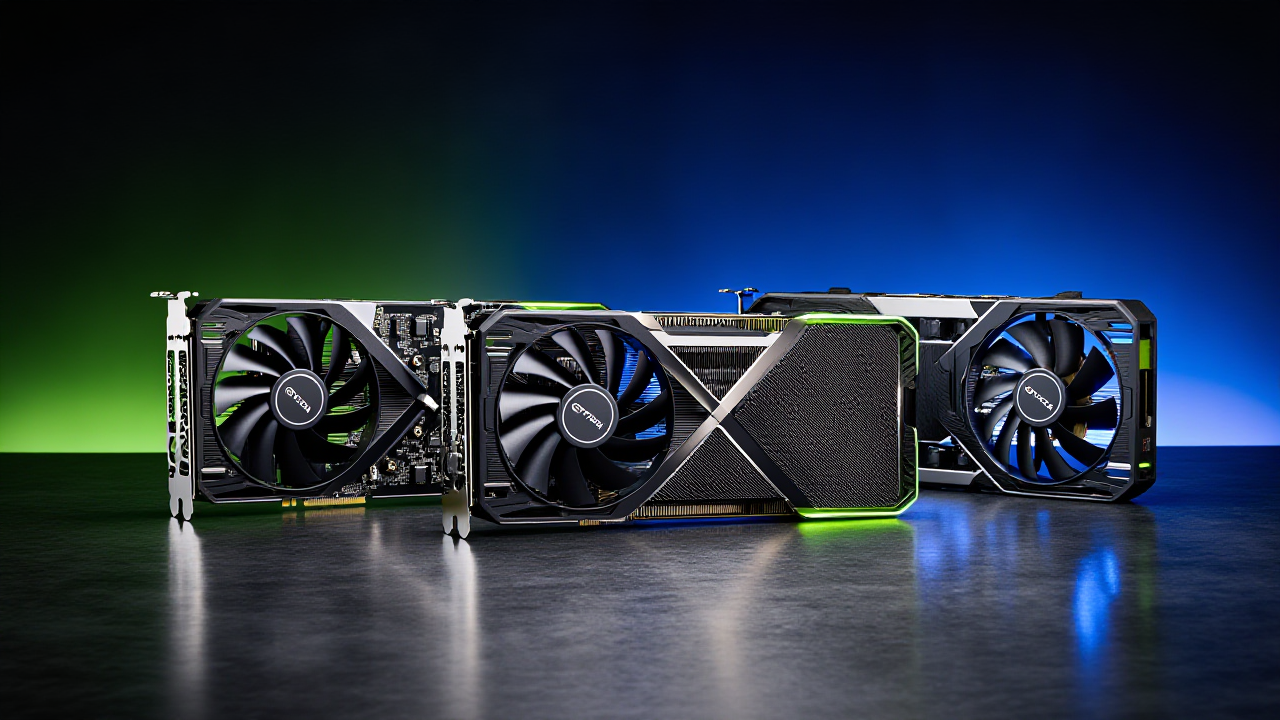
NVIDIA releases a new GPU generation roughly every two years. With the RTX 50 series now available alongside RTX 40 and RTX 30 series cards still in wide circulation, many Singaporean PC builders and gamers face the same question: do you actually need the latest GPU, or is an older card a smarter buy?
This guide compares the RTX 3080, RTX 4080, and RTX 5080 head-to-head — with real Singapore pricing — and explains exactly when buying an older generation makes more sense.
The Short Answer: What Each GPU Is For
| GPU | New Price (SGD) | Used Price (SGD) | Sweet Spot | Buy If… |
|---|---|---|---|---|
| RTX 3080 10GB | Discontinued | ~$450 | 1440p / budget 4K | Budget is tight, 1440p gaming |
| RTX 4080 16GB | ~$1,700 | ~$1,400 | High-end 4K / 1440p 144Hz+ | Serious 4K, content creation |
| RTX 5080 16GB | ~$2,200+ | Too new for used market | Enthusiast 4K / future-proofing | Price is no object, cutting edge |
RTX 3080 — The Older Card That Still Punches Hard
Launched in 2020, the RTX 3080 was NVIDIA’s flagship 4K card for its generation. In 2026, it’s a used card priced around $450 in Singapore — and it remains genuinely capable for most gaming and creative workloads.
What the RTX 3080 still does well in 2026
1440p Gaming
Handles all major titles at 1440p with high/ultra settings at 60–100+ fps. Easily surpasses 60fps in most AAA games.
1080p High Refresh
Overkill for 1080p — comfortably hits 144–240fps in most esports and AAA games.
Budget 4K
Handles 4K at medium-high settings in most games. Not ideal for 4K ultra + high frame rates, but perfectly playable.
Video Editing
10GB VRAM handles 4K Premiere and DaVinci Resolve timelines. Not ideal for heavy 3D or AI workloads.
The key number: The RTX 3080 at ~$450 used delivers roughly 70–80% of the RTX 4080’s gaming performance at less than a third of the price. For 1440p gaming, the difference is often under 15fps — imperceptible to most players.
Where the RTX 3080 falls short
- VRAM: 10GB starts to feel constrained in texture-heavy games at 4K.
- Ray tracing: RT performance is noticeably behind RTX 40 series.
- DLSS 3 / Frame Generation: Only on RTX 40 series and above — meaningful in supported games.
- Power efficiency: Similar 320W TDP to the 4080, but the 4080 does significantly more with the same power.
RTX 4080 — The Serious Upgrade, at a Serious Price
The RTX 4080 is a substantial generational leap — DLSS 3 Frame Generation, Ada Lovelace efficiency, and 16GB GDDR6X VRAM. In Singapore it retails around $1,700 new, or ~$1,400 used.
RTX 3080 vs RTX 4080 — Head to Head
| Feature | RTX 3080 | RTX 4080 |
|---|---|---|
| Architecture | Ampere | Ada Lovelace |
| VRAM | 10GB GDDR6X | 16GB GDDR6X |
| DLSS Frame Generation | ❌ No | ✅ Yes (DLSS 3) |
| 4K Performance | Playable (medium-high) | Strong (ultra settings) |
| Ray Tracing | Good | Excellent |
| Power (TDP) | 320W | 320W |
| Singapore Used Price | ~$450 | ~$1,400 |
The price reality: At $1,400 used vs $450 for the 3080, you’re paying 3× more for roughly 30–40% more gaming performance. The value equation only tilts toward the 4080 if you’re genuinely gaming at 4K ultra, doing AI/ML work, or need the extra VRAM.
RTX 5080 — The Newest Card, and Why Most People Don’t Need It
The RTX 5080 (Blackwell architecture) launched in early 2025 at over $2,200 in Singapore. DLSS 4 Multi-Frame Generation, improved RT, and 16GB GDDR7. Undeniably the fastest consumer GPU below the 5090. But for most games and resolutions, you will not notice the difference between a 5080 and a 4080 — and certainly not versus the 3080 at 1080p or 1440p.
Who actually needs a 5080
- 4K gaming on a 144Hz+ monitor at ultra settings
- Professional AI/ML training or inference
- Real-time 3D rendering commercially (Blender, Unreal)
- Enthusiasts where cost is no concern
Who should skip the 5080
- Gaming at 1080p or 1440p
- Casual or indie gamers
- Anyone on a budget ($2,200+ = full mid-range PC build)
- Students and young professionals
Why Older Series GPUs Are Often the Smarter Buy
When a new GPU series launches, the previous generation floods the secondhand market at dramatically lower prices — while still performing well for 90% of use cases. This is exactly what’s happening with RTX 30 series in 2026.
💰 The Price Drop Is Enormous
RTX 30 series dropped 50–60% from launch. An RTX 3080 that cost $1,099 USD at launch now sells for ~$450 SGD used — still faster than entry-level RTX 40 cards.
📊 Performance Per Dollar
At 1440p, the 3080 delivers ~85fps in demanding AAA titles. The 4080 delivers ~115fps. That’s ~35% more fps for ~210% more cost. For most players, the extra 30fps is not worth $950 more.
🔄 The Upgrade Cycle Favours You
Buy a used 3080 for $450, use it 2–3 years, sell for $200–$250, then upgrade to a used 5080 or 6080. Net cost: ~$200–$250 per 2–3 years — far better than $2,200 upfront.
🖥️ Games Optimised for Older Hardware
Developers optimise for the most common hardware — still RTX 20 and 30 series. A 3080 runs every popular game in 2026 at excellent settings. The 5080’s edge shows only at 4K.
GPU Recommendation by Use Case (Singapore 2026)
| Your Use Case | Recommended GPU | Est. Price (SGD) | Why |
|---|---|---|---|
| Student / school PC | RTX 3060 12GB (used) | ~$280 | 1080p gaming & creative apps |
| 1080p gaming (casual) | RTX 3070 (used) | ~$360 | Excellent 1080p, solid 1440p |
| 1440p gaming | RTX 3080 (used) | ~$450 | Best value at 1440p in 2026 |
| 1440p competitive (144Hz+) | RTX 4070 Super (used) | ~$850 | DLSS 3, 12GB VRAM, strong 1440p |
| 4K gaming (60–100fps) | RTX 4080 (used) | ~$1,400 | Strong 4K, 16GB VRAM, DLSS 3 |
| 4K gaming (max, 144fps) | RTX 5080 (new) | ~$2,200+ | Cutting edge, DLSS 4, unlimited budget |
| Video editing (4K) | RTX 3080 or 4070 (used) | $450–$750 | Both handle 4K editing well |
| AI / ML / Blender | RTX 3090 or 4080 (used) | $650–$1,400 | VRAM critical — 24GB (3090) or 16GB (4080) |
What You Give Up With an Older Card
- DLSS 3 / Frame Generation (RTX 40 only): Can double frame rates in ~60 supported games. Real advantage, but limited game support.
- DLSS 4 / Multi-Frame Generation (RTX 50 only): Even more aggressive. Very new, very limited support.
- AV1 hardware encoding (40/50 series): Better for streamers and video creators.
- Power efficiency: Ada and Blackwell are significantly more efficient per frame.
For most Singaporean gamers at 1080p or 1440p, none of these missing features materially affect daily gameplay. The frame rate gap between a 3080 and 4080 at 1440p is real, but rarely what makes a game enjoyable or frustrating.
Where to Buy Used RTX Cards in Singapore
- Affordable Laptop Services — Tested & verified RTX 30 & 40 series across 5 Singapore locations. Warranty included. WhatsApp 9131 8317. RTX 3080 ~$450 | RTX 4080 ~$1,400.
- Carousell — Widest selection. Always test in person — ask for GPU-Z screenshot showing temps and hours used.
- HardwareZone Marketplace — Trusted community, detailed listings with full card history.
- Sim Lim Square (upper floors) — My Digital Store and Cybermind carry used RTX stock you can inspect in person.
Final Verdict
For the vast majority of Singaporean gamers, the RTX 3080 at ~$450 used is the 2026 sweet spot — flagship 2020 performance, handles 1440p with ease, costs a fraction of newer cards. The RTX 4080 is worth it only for 4K gaming or VRAM-heavy professional work. The RTX 5080 is for enthusiasts who want cutting edge and aren’t counting dollars. Buy the GPU that matches your monitor and use case — not the one with the highest number.
